
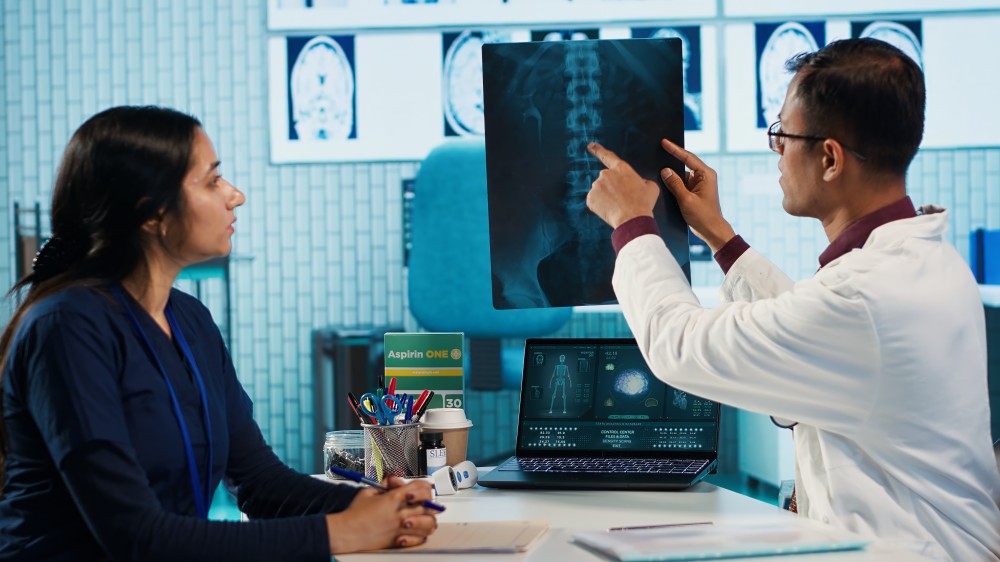
Spinal stenosis is a common spinal condition that occurs when the spaces within the spine become narrow, placing pressure on the spinal cord or surrounding nerves. It most commonly affects the neck (cervical spine) and lower back (lumbar spine), leading to chronic pain, numbness, weakness, and difficulty walking. While aging is the primary cause, injuries, arthritis, and degenerative disc disease can also contribute to the condition. Fortunately, modern spinal stenosis treatment options can significantly reduce pain, restore mobility, and improve overall quality of life.
What Is Spinal Stenosis?
Spinal stenosis refers to the narrowing of the spinal canal that compresses the nerves travelling through the spine. The condition develops gradually and often worsens over time if left untreated. Although many people experience mild symptoms, others develop severe pain that interferes with daily activities.
The most common types include:
- Lumbar spinal stenosis (lower back)
- Cervical spinal stenosis (neck)
- Thoracic spinal stenosis (middle back, less common)
Early diagnosis and timely spinal stenosis treatment can help prevent permanent nerve damage.
Common Symptoms of Spinal Stenosis
Symptoms vary depending on the location of the narrowed spinal canal. Common signs include:
- Persistent lower back or neck pain
- Pain radiating into the arms or legs
- Tingling or numbness
- Muscle weakness
- Difficulty walking long distances
- Loss of balance
- Cramping in the legs
- Pain that improves while sitting or leaning forward
If you experience loss of bladder or bowel control along with severe weakness, seek emergency medical attention immediately.
Causes and Risk Factors
Several factors may contribute to spinal stenosis, including:
- Age-related degeneration
- Osteoarthritis
- Herniated discs
- Thickened spinal ligaments
- Bone spurs
- Spinal injuries
- Congenital narrow spinal canal
- Tumours affecting the spine (rare)
People over the age of 50 have a higher risk of developing this condition.
How Is Spinal Stenosis Diagnosed?
A spine specialist begins with a detailed medical history and physical examination. Imaging tests help confirm the diagnosis and determine the severity of nerve compression.
Common diagnostic tests include:
- X-rays
- MRI scans
- CT scans
- Myelogram
- Electromyography (EMG)
An accurate diagnosis allows physicians to recommend the most appropriate spinal stenosis treatment based on your symptoms and lifestyle.
Non-Surgical Spinal Stenosis Treatment
Many patients improve without surgery. Conservative treatment is usually recommended first, especially for mild to moderate cases.
1. Physical Therapy
Physical therapy strengthens the muscles supporting the spine, improves posture, increases flexibility, and reduces pressure on compressed nerves.
2. Medications
Doctors may recommend:
- Anti-inflammatory medications
- Muscle relaxants
- Pain relievers
- Nerve pain medications
These medications help manage symptoms while patients participate in rehabilitation.
3. Epidural Steroid Injections
Steroid injections reduce inflammation around irritated nerves, providing temporary pain relief that may last several weeks or months.
4. Lifestyle Modifications
Simple lifestyle changes can make a significant difference, including:
- Maintaining a healthy weight
- Regular low-impact exercise
- Proper posture
- Avoiding heavy lifting
- Using supportive footwear
5. Chiropractic and Manual Therapy
In selected patients, gentle manual therapy may help improve mobility and reduce stiffness. Treatment should always be performed by qualified professionals after proper evaluation.
Surgical Spinal Stenosis Treatment
When conservative therapies fail or neurological symptoms worsen, surgery may become necessary.
Common surgical procedures include:
1. Laminectomy
The surgeon removes part of the vertebra called the lamina to create more space for the spinal cord and nerves.
2. Laminotomy
Only a portion of the lamina is removed, preserving more of the spine’s natural structure.
3. Spinal Fusion
If spinal instability exists, two or more vertebrae may be fused together to improve stability and reduce pain.
4. Minimally Invasive Spine Surgery
Modern minimally invasive procedures use smaller incisions, resulting in:
- Less pain
- Faster recovery
- Reduced blood loss
- Lower infection risk
- Shorter hospital stay
Your spine surgeon will recommend the most suitable procedure based on imaging results and symptom severity.
Recovery After Spinal Stenosis Treatment
Recovery varies depending on the type of treatment received.
Most patients benefit from:
- Guided physical therapy
- Regular walking programmes
- Stretching exercises
- Healthy nutrition
- Weight management
- Smoking cessation
Patients who undergo minimally invasive procedures often return to normal activities sooner than those who have traditional open surgery.
Preventing Future Spine Problems
Although spinal stenosis cannot always be prevented, healthy habits can protect your spine.
Helpful tips include:
- Exercise regularly
- Strengthen your core muscles
- Maintain good posture
- Lift objects correctly
- Stay physically active
- Maintain a healthy weight
- Avoid prolonged sitting
Routine spine evaluations can detect problems before they become severe.
Why Early Treatment Matters
Ignoring symptoms may lead to worsening nerve compression, chronic pain, reduced mobility, muscle weakness, and permanent nerve damage. Seeking spinal stenosis treatment early improves the chances of avoiding surgery and achieving better long-term outcomes.
Working closely with an experienced spine specialist ensures a personalised treatment plan designed to relieve pain, restore function, and improve your quality of life.
Conclusion
Spinal stenosis is a manageable condition when diagnosed and treated early. From physical therapy and medications to advanced minimally invasive surgery, today’s spinal stenosis treatment options provide effective solutions for reducing pain and restoring mobility. If you are experiencing persistent back pain, numbness, or difficulty walking, consult a qualified spine specialist for a comprehensive evaluation and personalised treatment plan. Taking action today can help you return to a more active, comfortable, and pain-free life.
Frequently Asked Questions (FAQs)
1. What is the best spinal stenosis treatment?
The best treatment depends on the severity of the condition. Many patients improve with physical therapy, medications, injections, and lifestyle changes, while severe cases may require surgery.
2. Can spinal stenosis heal without surgery?
Yes. Many individuals successfully manage symptoms through non-surgical spinal stenosis treatment, including physical therapy, exercise, medications, and weight management.
3. Is walking good for spinal stenosis?
Yes. Walking is often recommended because it strengthens muscles and improves circulation. However, exercise should be performed according to your physician’s recommendations.
4. When is surgery necessary for spinal stenosis?
Surgery may be recommended when conservative treatments fail or when patients develop severe pain, muscle weakness, difficulty walking, or nerve damage.
5. How long does recovery take after spinal stenosis surgery?
Recovery varies by procedure, but many patients return to normal daily activities within several weeks to a few months, especially after minimally invasive surgery.
6. Can spinal stenosis come back after treatment?
While surgery can relieve nerve compression, degeneration may continue with age. Following your treatment plan and maintaining a healthy lifestyle can reduce future spine problems.
Don’t let chronic back or neck pain limit your life. If you’re experiencing symptoms of spinal stenosis, schedule a consultation with our experienced spine specialists today. We provide comprehensive evaluations, advanced diagnostic imaging, personalised treatment plans, minimally invasive procedures, and compassionate care to help you move comfortably again.
Visit Us: Visit our https://scchouston.co/pain-management/ today to receive expert diagnosis and personalised spinal stenosis treatment designed to relieve pain and restore your mobility.
Contact Us: Contact us at (281) 741-3204 today to book your appointment and take the first step toward lasting relief from spinal stenosis with comprehensive spine care.