
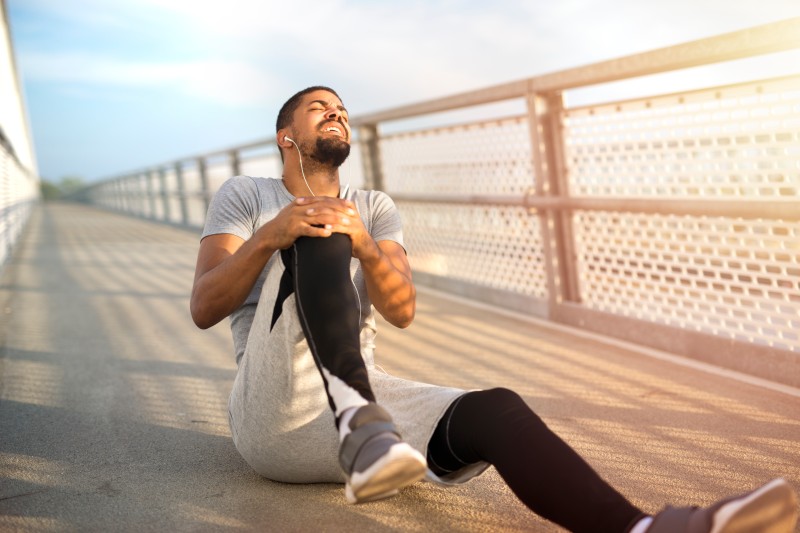
Sports and physical activities are essential for maintaining a healthy lifestyle, improving fitness, and boosting mental well-being. However, athletes and active individuals often experience injuries that can cause discomfort, limit mobility, and affect daily activities. Proper sports injury pain management is crucial for reducing pain, speeding up recovery, and helping individuals safely return to their favorite activities.
Whether you are a professional athlete, fitness enthusiast, or weekend runner, understanding the causes, symptoms, and treatment options for sports injuries can help prevent long-term complications and improve overall performance.
Understanding Sports Injuries
Sports injuries occur when muscles, ligaments, tendons, bones, or joints are damaged during physical activity. These injuries may develop suddenly due to accidents or gradually because of repetitive strain and overuse.
Common sports injuries include:
- Sprains and strains
- Muscle tears
- Knee injuries
- Shoulder pain
- Tennis elbow
- Shin splints
- Fractures
- Back pain
- Achilles tendon injuries
Sports injuries can range from mild discomfort to severe conditions requiring long-term rehabilitation. Early diagnosis and proper sports injury pain management play a major role in preventing chronic pain and restoring mobility.
Common Causes of Sports Injuries
Several factors contribute to sports-related injuries. Understanding these causes can help athletes reduce risks and maintain peak physical condition.
1. Overtraining
Excessive training without proper rest can place repeated stress on muscles and joints. Overuse injuries are especially common in runners, cyclists, and athletes involved in repetitive movements.
2. Poor Technique
Incorrect form while exercising or playing sports increases pressure on certain body parts and may lead to muscle or joint injuries.
3. Lack of Warm-Up
Skipping warm-up and stretching exercises before physical activity can make muscles stiff and more vulnerable to injuries.
4. Inadequate Equipment
Wearing improper footwear or using poor-quality sports gear may increase the risk of injury during training or competition.
5. Accidents and Collisions
Contact sports such as football, basketball, and hockey often involve sudden impacts that can cause fractures, sprains, or ligament damage.
Symptoms That Require Attention
Recognizing injury symptoms early can prevent complications and improve recovery outcomes. Common symptoms include:
- Persistent pain
- Swelling and inflammation
- Reduced range of motion
- Muscle weakness
- Joint instability
- Bruising
- Difficulty walking or moving
If pain continues for several days or worsens during activity, seeking professional sports injury pain management is highly recommended.
Importance of Sports Injury Pain Management
Pain management is not only about reducing discomfort. It also focuses on restoring movement, preventing future injuries, and improving overall quality of life.
Proper pain management offers several benefits:
- Faster healing and recovery
- Reduced inflammation
- Improved flexibility and strength
- Prevention of chronic pain conditions
- Safe return to sports activities
- Better physical performance
Without appropriate treatment, untreated injuries may become long-term problems that affect athletic ability and daily routines.
Effective Sports Injury Pain Management Treatments
Modern sports medicine offers various treatment methods designed to relieve pain and support recovery.
1. Rest and Activity Modification
Rest is one of the first steps in treating sports injuries. Avoiding activities that worsen pain allows damaged tissues to heal naturally. However, complete inactivity is not always necessary. Healthcare providers often recommend modified exercises to maintain mobility without causing further injury.
2. Ice and Heat Therapy
Ice therapy helps reduce swelling and inflammation during the initial stages of injury. Applying ice packs for 15–20 minutes several times a day can minimize pain and tissue damage.
Heat therapy is beneficial during later recovery stages because it improves blood circulation and relaxes tight muscles.
3. Physical Therapy
Physical therapy is a highly effective sports injury pain management solution. Therapists create personalized rehabilitation programs that include:
- Stretching exercises
- Strength training
- Balance improvement
- Mobility exercises
- Posture correction
Physical therapy not only relieves pain but also reduces the risk of reinjury.
4. Pain Relief Medications
Over-the-counter anti-inflammatory medications may help reduce swelling and discomfort. In some cases, doctors may prescribe stronger medications for severe pain. Medication should always be used under medical supervision.
Advanced Treatment Options
For chronic or severe injuries, healthcare providers may recommend advanced treatments such as:
- Corticosteroid injections
- Platelet-rich plasma (PRP) therapy
- Chiropractic care
- Massage therapy
- Minimally invasive procedures
These treatments can help accelerate healing and improve long-term recovery outcomes.
Rehabilitation and Recovery
Rehabilitation is an important part of sports injury pain management. A structured recovery program helps athletes safely regain strength and confidence before returning to sports activities.
Rehabilitation focuses on:
- Improving flexibility
- Strengthening muscles
- Restoring endurance
- Enhancing coordination
- Preventing future injuries
Rushing back into sports too early may increase the risk of reinjury, so gradual progression is essential.
Preventing Sports Injuries
Preventive care is one of the best ways to avoid pain and long-term damage. Athletes can reduce injury risks by following healthy training habits.
1. Warm Up Properly
Always perform stretching and warm-up exercises before physical activity to prepare muscles and joints.
2. Use Correct Techniques
Learning proper sports techniques and maintaining good posture can significantly lower injury risks.
3. Stay Hydrated
Hydration supports muscle function and reduces the chances of cramps and fatigue.
4. Wear Appropriate Equipment
Using supportive footwear and protective gear can improve safety during training and competition.
5. Allow Recovery Time
Rest days are essential for muscle repair and injury prevention.
When to See a Specialist
While minor injuries may improve with home care, certain symptoms require professional medical attention. Consult a sports medicine specialist if you experience:
- Severe swelling
- Inability to bear weight
- Persistent pain
- Joint instability
- Numbness or tingling
- Repeated injuries
A healthcare professional can identify the root cause of pain and develop a customized sports injury pain management plan.
Role of Sports Medicine Specialists
Sports medicine specialists are trained to diagnose and treat athletic injuries using evidence-based approaches. They work closely with athletes to restore function, improve performance, and prevent future injuries.
These specialists may collaborate with:
- Physical therapists
- Orthopedic doctors
- Chiropractors
- Pain management experts
- Rehabilitation professionals
Comprehensive care ensures a smoother and more effective recovery process.
Conclusion
Sports injuries can affect athletes of all ages and skill levels, but proper sports injury pain management can make a significant difference in recovery and long-term health. Early diagnosis, effective treatment, rehabilitation, and preventive strategies are essential for reducing pain and restoring mobility.
By following professional guidance, maintaining proper training habits, and seeking timely medical care, athletes can recover safely and continue enjoying an active lifestyle without unnecessary discomfort or complications.
Frequently Asked Questions (FAQs)
1. What is sports injury pain management?
Sports injury pain management involves treatments and therapies designed to reduce pain, improve healing, and restore mobility after sports-related injuries.
2. What are the most common sports injuries?
Common sports injuries include sprains, strains, fractures, knee injuries, shoulder pain, shin splints, and tendon injuries.
3. How long does it take to recover from a sports injury?
Recovery time depends on the severity of the injury. Minor injuries may heal within days or weeks, while severe injuries may require several months of rehabilitation.
4. Can physical therapy help sports injuries?
Yes, physical therapy is highly effective for improving strength, flexibility, mobility, and overall recovery after sports injuries.
5. When should I seek medical attention for a sports injury?
You should consult a doctor if you experience severe pain, swelling, inability to move a joint, numbness, or symptoms that do not improve with rest.
Visit us https://scchouston.co/pain-management/ today for professional sports injury pain management and personalized rehabilitation services designed to help you recover faster and perform better.
Contact us at 281-741-3204 now to schedule your consultation and receive expert care for muscle pain, joint injuries, and sports-related conditions.