
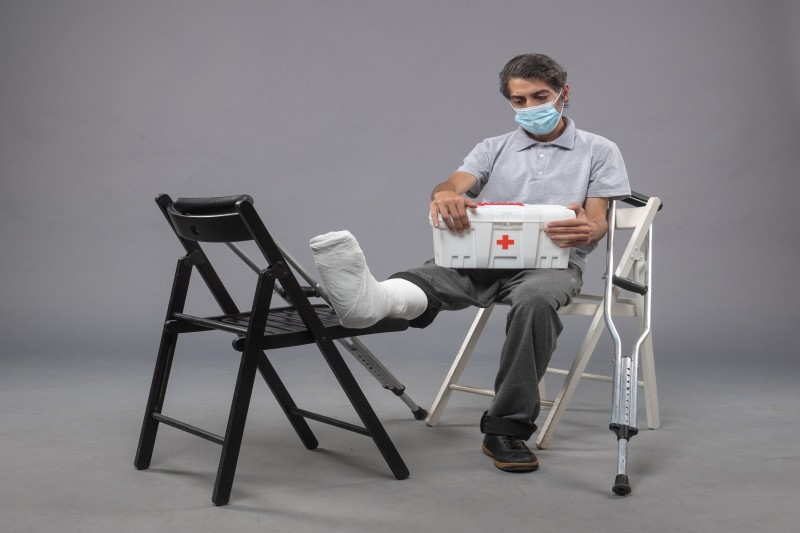
Workplace injuries are a common concern in many industries, ranging from minor cuts and sprains to severe accidents that require long-term care. Occupational injury can happen to anyone, regardless of experience, and often results from unsafe working conditions, lack of proper training, or simple accidents on the job. Recognizing the types of work accidents and addressing them promptly is critical to ensuring both employee safety and productivity.
Importance of Workplace Safety
Prioritizing workplace safety is the most effective way to reduce the risk of occupational injuries. Implementing proper safety protocols, providing protective gear, and conducting regular training sessions help prevent accidents before they occur. Employers must foster a culture where employees feel responsible for not only their safety but also the safety of their colleagues. Injury prevention measures are not just regulatory requirements—they are investments in the workforce’s health and well-being.
Immediate Steps After a Work Accident
When a workplace injury occurs, immediate and appropriate action is essential. First, ensure the injured employee receives medical attention, even if the injury seems minor. Prompt evaluation can prevent complications and reduce recovery time. Employers should document the incident accurately, detailing how and where the accident occurred, which is critical for workers compensation claims. Timely reporting not only safeguards the employee’s rights but also helps the organization comply with workplace safety regulations.
Treatment Options for Workplace Injuries
Treatment solutions for workplace injuries vary depending on the severity and type of injury. Minor injuries may require rest, ice, compression, and elevation (RICE), along with over-the-counter medications. More serious occupational injuries may need professional medical care, including physical therapy, rehabilitation programs, or surgical intervention. Access to specialized clinics experienced in treating work-related injuries ensures that employees receive safe and effective care tailored to their needs.
Role of Workers Compensation
Workers compensation is a crucial component of workplace injury management. This system provides financial and medical support to employees who suffer work accidents or occupational injuries, ensuring they receive appropriate care without undue financial stress. Employers benefit as well, as structured workers compensation programs reduce liability risks and promote a safer work environment. Employees should be well-informed about their rights and the process of filing claims to make the most of these benefits.
Preventing Future Work Accidents
Injury prevention goes beyond treating workplace injuries—it focuses on minimizing risks before accidents occur. Regular workplace inspections, safety audits, ergonomic assessments, and employee training programs are effective strategies to reduce hazards. By investing in injury prevention initiatives, companies not only protect their workforce but also improve overall productivity and morale. A proactive approach to workplace safety demonstrates a commitment to employee health and fosters long-term organizational success.
Choosing the Right Care Provider
Selecting a reliable care provider for workplace injuries is critical for effective recovery. Look for clinics or medical centers that specialize in occupational injury treatment and have experience in managing workers compensation cases. Comprehensive care includes medical assessment, treatment planning, physical therapy, and ongoing monitoring to ensure full recovery. Prompt, professional care reduces downtime, prevents chronic conditions, and supports a smooth return to work.
Frequently Asked Questions (FAQs)
Q1: What should I do immediately after a workplace injury?
A: Ensure your safety, seek medical attention, report the incident to your employer, and document the accident for workers compensation purposes.
Q2: How does workers compensation help in occupational injuries?
A: Workers compensation provides financial and medical support to employees injured on the job, covering treatment costs and lost wages during recovery.
Q3: Can workplace injuries be prevented?
A: Yes, through workplace safety protocols, employee training, ergonomic practices, and regular safety audits, many injuries can be prevented.
Q4: What types of treatments are available for work accidents?
A: Treatments range from first aid and physical therapy to advanced medical interventions, depending on the severity of the injury.
Q5: How long does recovery from a workplace injury take?
A: Recovery time varies by injury type and severity, but timely treatment and rehabilitation can significantly speed up the healing process.
Protect your health and rights after a workplace injury. Visit our website https://scchouston.co/occupational-medicine/ or call us at (281) 741-3204 for expert guidance!